

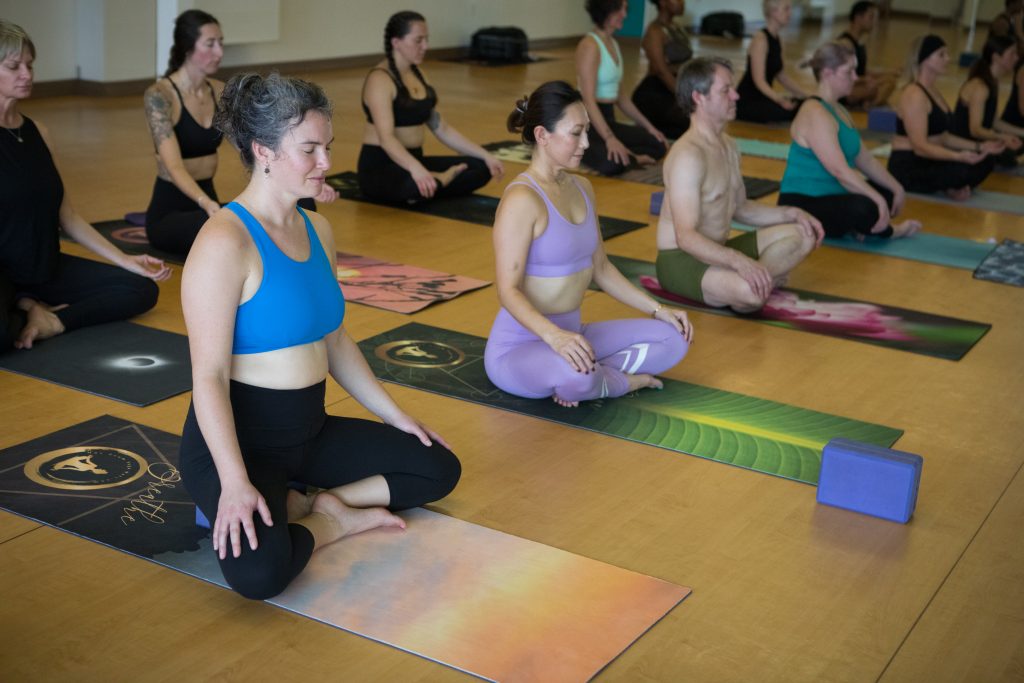
Across Singapore’s competitive fitness landscape, premium clubs are no longer judged solely on equipment variety or class volume. Members are increasingly looking for experiences that deliver measurable physical benefits, mental resilience, and long-term sustainability. In this shift, hot yoga has emerged as a strategic offering rather than a niche add-on. For established fitness clubs, investing in hot yoga is less about following trends and more about meeting evolving member expectations while strengthening brand positioning.
This article examines why hot yoga aligns so closely with premium fitness business models, how it supports member retention and engagement, and why it continues to gain relevance in Singapore’s urban fitness market.
The Changing Expectations of Fitness Consumers
Fitness consumers today are more informed and selective. Many have moved beyond chasing intensity alone and are instead prioritising:
-
Longevity and injury prevention
-
Recovery and mobility alongside strength
-
Mental wellbeing as part of physical training
-
Efficient use of limited training time
Premium members are especially discerning. They expect clubs to offer thoughtfully curated programmes that address the full spectrum of health rather than isolated workouts. Hot yoga fits naturally into this expectation by delivering physical conditioning, mobility, and mental regulation within a single session.
Hot Yoga as a Differentiation Tool in a Crowded Market
Singapore has no shortage of fitness options. From boutique studios to large multi-club operators, competition is intense. Premium fitness clubs must clearly articulate why they offer more value than lower-cost alternatives.
Experience Over Access
While basic gyms compete on access and price, premium clubs compete on experience. Hot yoga adds a distinctive dimension that cannot be replicated by standard air-conditioned group classes.
It offers:
-
A controlled, immersive training environment
-
A clear contrast to conventional gym workouts
-
A sense of intentionality and exclusivity
-
A practice that feels specialised rather than generic
This experiential quality strengthens brand identity and positions the club as a holistic wellness destination rather than a workout space.
Aligning With Premium Brand Values
Premium brands emphasise quality, safety, and thoughtful design. Well-managed hot yoga studios reflect these values through:
-
Precision climate control
-
Professional instruction standards
-
Structured class programming
-
Consistent member experience
This alignment reinforces trust and justifies premium pricing without relying on aggressive marketing claims.
Supporting Member Retention Through Sustainable Training
Retention is a critical metric for fitness businesses. High-impact training alone often leads to burnout or injury, which increases dropout rates. Hot yoga addresses this challenge by supporting sustainable participation.
Reducing Injury-Related Attrition
Members who train intensely without adequate recovery are more likely to experience overuse injuries. Hot yoga helps counterbalance this by:
-
Improving mobility and joint range of motion
-
Reducing muscle stiffness and tension
-
Encouraging controlled, mindful movement
-
Supporting recovery between strength or cardio sessions
By keeping members physically comfortable and injury-free, clubs increase the likelihood of long-term membership.
Appealing to a Wider Demographic
Hot yoga attracts not only traditional yoga practitioners but also strength trainers, runners, and professionals seeking stress management. This broad appeal allows clubs to serve diverse member profiles without fragmenting their offering.
It supports:
-
Active adults managing work-related stress
-
Members returning from injury
-
Older members seeking joint-friendly movement
-
High-performing individuals focused on longevity
This inclusivity strengthens overall membership stability.
Revenue Efficiency and Space Utilisation
From a business perspective, hot yoga offers operational advantages when implemented strategically.
High Engagement With Controlled Class Sizes
Hot yoga classes typically operate with defined capacity, which supports:
-
Better instructor attention
-
Enhanced safety and experience
-
Strong perceived value per session
Members often treat these classes as appointments rather than optional add-ons, increasing attendance consistency.
Maximising Studio Utilisation
Dedicated hot yoga studios can be scheduled throughout the day, serving members across different time slots. Morning, lunchtime, and evening sessions cater to varied work schedules, improving space utilisation without requiring large equipment investments.
Compared to equipment-heavy offerings, hot yoga studios rely more on environmental control than physical inventory, which simplifies long-term maintenance planning.
Strengthening the Club Ecosystem
Premium fitness clubs thrive when their offerings complement each other rather than compete for attention.
Integrating Hot Yoga With Other Training Modalities
Hot yoga works particularly well alongside:
-
Strength and resistance training
-
High-intensity conditioning classes
-
Personal training programmes
-
Recovery and mobility sessions
Rather than replacing other services, it enhances their effectiveness by improving movement quality and recovery capacity.
This integration encourages members to engage more deeply with the club’s full range of offerings.
Enhancing Personal Training Outcomes
Trainers often find that clients who practise hot yoga demonstrate:
-
Improved movement awareness
-
Better flexibility and joint control
-
Faster recovery between sessions
-
Greater consistency in attendance
This improves training outcomes and client satisfaction, indirectly supporting personal training revenue streams.
Mental Wellbeing as a Business Advantage
Mental wellbeing is no longer a secondary benefit. It is a key driver of member loyalty.
Addressing Stress in Urban Lifestyles
Singapore’s work culture places heavy cognitive demands on professionals. Hot yoga’s emphasis on breath control and heat-based focus provides a structured outlet for stress management.
Members who associate the club with mental clarity and emotional balance are less likely to view membership as expendable.
Building Emotional Connection to the Brand
When members feel better not just physically but mentally after sessions, they develop a stronger emotional connection to the club. This connection supports:
-
Positive word-of-mouth
-
Long-term membership commitment
-
Higher tolerance for premium pricing
-
Increased participation in other services
Hot yoga becomes part of a lifestyle rather than a class.
Quality Standards and Long-Term Brand Protection
Investing in hot yoga also requires commitment to quality. Poorly managed heat environments can undermine trust and damage reputation.
Consistency as a Brand Safeguard
Premium clubs invest in environmental controls, instructor training, and operational protocols to ensure consistency. This protects the brand by delivering predictable, safe experiences that members can rely on.
Trust Through Professional Execution
When hot yoga is executed well, it signals that the club prioritises member wellbeing over shortcuts. This trust extends to other services offered within the facility.
At True Fitness Singapore, this attention to quality reflects a broader commitment to creating fitness experiences that support long-term health rather than short-term intensity.
Market Relevance in Singapore
Singapore’s climate, work culture, and fitness maturity make it uniquely suited to hot yoga adoption.
Key factors include:
-
Familiarity with heat exposure
-
High levels of work-related stress
-
Growing awareness of recovery and mobility
-
Demand for premium, well-curated experiences
Hot yoga aligns naturally with these conditions, reinforcing its strategic value for established clubs.
Who Benefits From This Strategic Investment
From a business perspective, hot yoga benefits:
-
Clubs seeking differentiation in a saturated market
-
Operators focused on long-term member retention
-
Brands positioning themselves as holistic wellness leaders
-
Facilities aiming to optimise space and programme efficiency
It represents a measured investment with broad returns across engagement, loyalty, and brand equity.
Real-Life FAQ
Question & Answer: Is hot yoga mainly a niche offering for yoga-focused members?
No. In premium clubs, hot yoga attracts a wide range of members, including strength trainers and professionals seeking recovery and stress management.
Question & Answer: Does hot yoga increase operational complexity for clubs?
It requires environmental management, but modern systems make this manageable. The long-term engagement benefits often outweigh the added complexity.
Question & Answer: Can hot yoga improve overall membership retention?
Yes. By supporting recovery, mobility, and mental wellbeing, hot yoga helps members stay active and committed over longer periods.
Question & Answer: Is hot yoga suitable for premium brand positioning?
When executed professionally, it aligns well with premium values such as quality, intentional design, and holistic wellbeing.
Question & Answer: Why is hot yoga particularly relevant in Singapore?
Singapore’s climate, urban work demands, and mature fitness market make hot yoga a natural fit for both members and operators.
By viewing hot yoga as a strategic experience rather than a trend, premium fitness clubs can strengthen their value proposition, support member longevity, and build deeper loyalty in an increasingly discerning market.
