

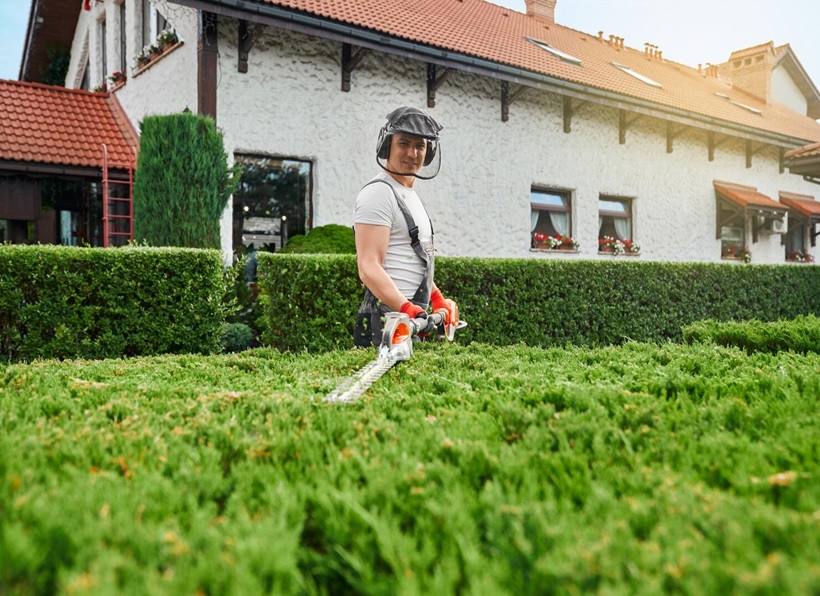
Landscaping is a hands-on profession that blends creativity, outdoor work, and practical problem-solving. It is also an industry filled with complexities, unexpected challenges, and various forms of risk. Whether working with machinery, installing garden features, or interacting closely with clients’ property, landscapers manage a combination of physical, environmental, and operational hazards every day. Understanding these risks is essential—not only for safety and reliability but also for ensuring the long-term stability of a landscaping business.
One of the most important tools in managing these risks is landscaping public liability insurance. While experience, training, and caution reduce the likelihood of accidents, insurance provides a crucial backup should something unexpected occur. It protects against financial loss, supports business continuity, and allows landscapers to operate confidently and professionally.
In this article, we explore the top risks landscapers face, why these risks matter, and how the right insurance solutions can help manage them effectively.
1. Risk: Accidental Property Damage During Landscaping Work
Landscaping projects often involve operating close to delicate outdoor structures, irrigation systems, fencing, lighting, pathways, and other property features. Heavy machinery, earthmoving equipment, and hand tools create an environment where even a minor mistake can cause unintended damage.
An incorrect measurement, an unseen underground pipe, or a momentary lapse in equipment control can result in property damage. Even when landscapers work carefully, factors such as soil movement, hidden roots, or aged infrastructure can contribute to accidents.
Insurance Fix
Public liability insurance plays a central role in protecting landscapers when accidental damage occurs. It provides coverage for the cost of repairing or replacing damaged property, reducing financial stress and helping maintain positive client relationships. Without this protection, landscapers may be responsible for significant out-of-pocket expenses that could affect their business operations or future projects.
2. Risk: Third-Party Injuries on a Landscaping Site
Landscaping sites can present tripping hazards, uneven ground, exposed equipment, and moving machinery. Even when a landscaper follows safety protocols, clients, visitors, or passers-by can inadvertently enter the work area and sustain injuries.
From slips on wet grass to injuries caused by falling tools or loose materials, third-party injury claims are one of the most common risks landscapers face.
Insurance Fix
Public liability insurance covers third-party personal injury claims, helping landscapers manage legal responsibilities and the financial impact of medical expenses, legal fees, or compensation costs. This support provides peace of mind and demonstrates professionalism, as clients feel reassured knowing the landscaper has appropriate protection measures in place.
3. Risk: Damage or Loss of Tools and Equipment
Tools are essential to landscaping work. Mowers, trimmers, chainsaws, blowers, hand tools, and vehicle-mounted equipment all contribute to the success of each project. These tools are often exposed to weather, frequent transport, potential theft, or accidental damage.
Replacing tools unexpectedly can create financial strain and delay ongoing projects, particularly if a critical piece of equipment becomes unusable.
Insurance Fix
Many landscapers choose to complement their public liability cover with tool and equipment insurance. This type of cover helps repair or replace damaged or stolen equipment, ensuring continuity of work and reducing downtime. By securing reliable protection for equipment, landscapers can maintain consistent service delivery even when unexpected issues arise.
4. Risk: Injuries to Landscapers Themselves
Landscaping requires physical effort, repetitive movement, and the use of sharp or heavy tools. Landscapers may encounter injuries from lifting, slips, cuts, machinery mishaps, or sudden strains. Environmental factors, such as uneven terrain or unpredictable weather, add to the risk.
Although great care and training reduce these hazards, the physical nature of landscaping means injuries can still occur.
Insurance Fix
Personal accident insurance is often used alongside public liability insurance. While public liability protects against claims involving others, personal accident cover helps landscapers manage costs arising from their own injuries, such as medical treatment or time away from work. This provides a safety net that reduces financial stress during recovery.
5. Risk: Weather-Related Project Interruptions
Weather conditions affect almost every aspect of landscaping. Heavy rain, storms, strong winds, extreme temperatures, or prolonged wet soil can halt progress, damage existing work, or make a site unsafe.
Weather unpredictability also increases the chance of accidents, equipment failures, and project delays.
Insurance Fix
While weather events cannot be controlled, insurance allows landscapers to better manage the consequences. Some professionals incorporate business interruption cover or add-on protections to help deal with delays or unexpected events. These options help maintain financial stability during periods when weather prevents work from continuing safely.
6. Risk: Legal and Compliance Obligations
Landscapers work with chemicals, machinery, electrical systems, soil removal, green waste, and structural elements. Regulations exist around safety, environmental management, and industry standards. Failing to comply—even unintentionally—can lead to legal issues or disputes.
In addition, clients may have expectations related to work quality, scope, and responsibilities, which can sometimes lead to disagreements or claims.
Insurance Fix
Public liability insurance helps landscapers navigate situations where they may be held responsible for damage, injury, or disputes. While it cannot prevent misunderstandings, it can protect the landscaper from financial hardship when legal matters arise. Coupled with good documentation and clear communication, insurance helps professionals handle challenges with confidence.
7. Risk: Miscommunication or Client Disputes
Even the most experienced landscapers can encounter miscommunication. Differences in interpretation of design plans, changes to project scope, or unclear expectations can lead to conflicts. Disputes may also arise from perceived delays, quality concerns, or unforeseen complications.
These disputes can consume time, energy, and resources if not managed effectively.
Insurance Fix
In some cases, public liability insurance may assist if a claim involves property damage or injury. More complex disputes may require legal advice, but insurance provides a buffer that reduces the financial impact of claims resulting from accidental events. Landscapers can also reduce the likelihood of disputes through detailed contracts, regular updates, and transparent communication.
8. Risk: Environmental Hazards and Site Conditions
Landscaping sites often have hidden hazards such as uneven surfaces, unstable ground, dense vegetation, or debris. These conditions may increase the likelihood of accidents, equipment damage, or delays. Working near water features, retaining walls, or slopes further heightens risk.
Environmental unpredictability is a constant challenge that requires careful site assessment and risk management.
Insurance Fix
Public liability insurance offers broad protection when environmental hazards contribute to property damage or injury. It ensures that landscapers are not left to bear unexpected costs alone. When combined with appropriate safety measures and site assessments, insurance provides comprehensive support in managing environmental risks.
9. Risk: Using Machinery and Power Tools
Operating machinery demands skill, attention, and adherence to safety procedures. Even experienced landscapers may encounter issues such as kickbacks, mechanical failures, or sudden equipment malfunctions. These risks extend not only to the landscaper but also to people and property nearby.
Insurance Fix
Insurance helps cover damage or injury caused by machinery incidents. Public liability insurance addresses third-party concerns, while tool cover ensures equipment can be repaired or replaced quickly. Together, they provide practical support for dealing with machinery-related risks.
10. Risk: Growing Business Responsibilities
As landscaping businesses expand, responsibilities increase. More clients, larger projects, additional employees, and greater equipment investments amplify risk exposure. Without proper planning and protection, growth can also bring new challenges.
Insurance Fix
Landscapers often seek guidance from qualified brokers who understand industry-specific risks. A broker helps professionals choose cover that aligns with their business needs, budget, and long-term goals. For broader protection, many landscapers explore trade insurance options, which offer structured support for managing various operational risks.
Frequently Asked Questions
1. What does landscaping public liability insurance cover?
It typically covers third-party property damage and personal injury claims arising from landscaping work, helping protect professionals from unexpected financial costs.
2. Why is public liability insurance important for landscapers?
It provides essential protection in environments where tools, machinery, and physical activity can create accidental hazards, reducing financial and legal risk.
3. Does public liability insurance cover tools and equipment?
Public liability insurance covers claims involving third parties, not tools. Landscapers often add separate tool insurance for equipment protection.
4. Can public liability insurance help during client disputes?
If a dispute involves accidental damage or injury, public liability insurance may assist. For broader disagreements, clear documentation and communication are essential.
5. Do sole-trader landscapers need public liability insurance?
Yes. Any professional working with equipment or near clients’ property benefits from public liability cover, regardless of business size.
