

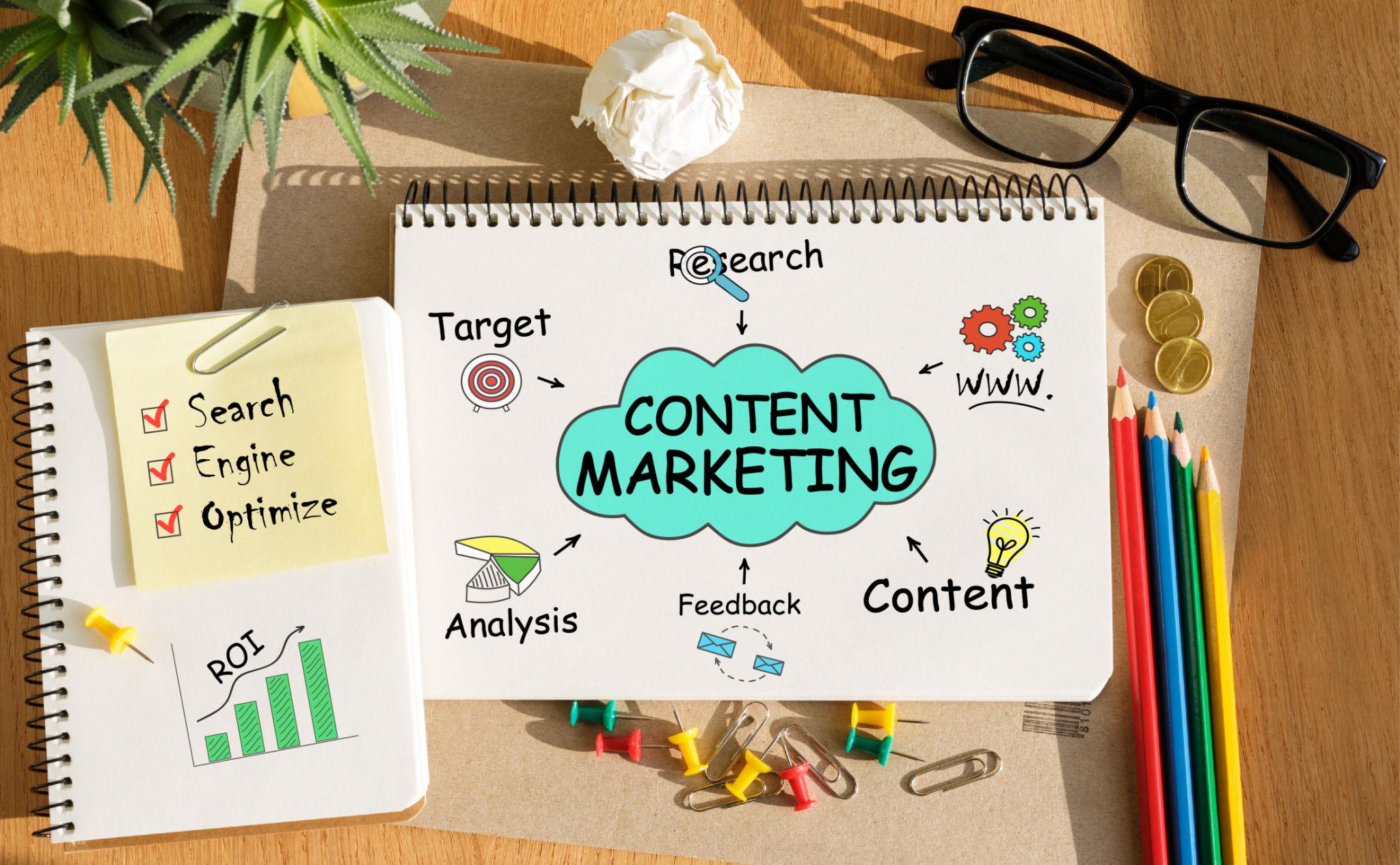
Content marketing has become one of the most powerful ways for businesses to attract customers, build trust, and increase sales. However, creating content alone does not guarantee results. Many businesses publish blog posts, videos, emails, and social media updates consistently without generating meaningful conversions.
The problem is not content itself. The problem is strategy.
Effective content marketing is not about producing the highest volume of content. It is about creating the right content for the right audience at the right stage of the buying journey. Businesses that understand this difference are far more likely to turn traffic into leads and leads into paying customers.
Conversions happen when content solves problems, builds trust, and guides people toward action naturally. Businesses that focus only on visibility often miss the deeper goal of content marketing, which is influencing decisions and driving measurable business outcomes.
Understand the Audience Before Creating Content
One of the biggest content marketing mistakes is creating content without understanding the target audience. Businesses often focus too much on what they want to say instead of what potential customers actually need.
High-converting content starts with audience research.
Businesses should understand:
- Customer pain points
- Common questions
- Buying motivations
- Industry challenges
- Desired outcomes
- Search behavior
Content becomes more persuasive when it directly addresses real problems people are trying to solve.
The more specific the audience understanding, the more effective the messaging becomes.
Generic content may attract traffic, but targeted content is more likely to convert visitors into customers.
Focus on Search Intent
Many businesses prioritize keywords without considering search intent. Ranking on search engines means little if the content does not align with what users actually want.
Search intent generally falls into several categories:
- Informational
- Commercial
- Transactional
- Navigational
Content designed for conversions should match the intent behind user searches.
For example:
- Informational searches require educational content
- Commercial searches need comparisons and evaluations
- Transactional searches benefit from product-focused pages
Businesses that align content with audience intent create smoother customer journeys and improve conversion rates.
Understanding why someone searches is often more important than the keyword itself.
Create Problem-Solving Content
Content that drives conversions usually solves specific problems. People engage with content because they want answers, guidance, or solutions.
Strong content helps readers:
- Understand challenges
- Evaluate options
- Make decisions
- Improve results
- Avoid mistakes
Educational content builds trust by demonstrating expertise without aggressively selling.
Examples of high-converting problem-solving content include:
- Step-by-step guides
- Tutorials
- Case studies
- Industry insights
- Comparison articles
- Practical checklists
Businesses that consistently provide useful information position themselves as trusted authorities.
Trust often develops long before customers make purchasing decisions.
Build Trust Before Selling
One reason many content marketing campaigns fail is because they push sales too aggressively. Modern consumers are highly skeptical of constant promotional messaging.
People rarely convert immediately after discovering a brand.
Trust-building should happen before asking for major commitments.
Effective trust-building strategies include:
- Sharing valuable insights
- Demonstrating expertise
- Using transparent messaging
- Showing customer success stories
- Providing consistent value
Businesses that prioritize helping over selling often create stronger long-term customer relationships.
Content should feel informative and helpful rather than overly promotional.
Consumers are more likely to buy from brands they trust.
Use Strong Calls to Action
Even excellent content can fail to convert if it lacks clear direction. Readers need guidance on what to do next.
A strong call to action helps move users through the customer journey.
Effective calls to action may encourage users to:
- Subscribe to a newsletter
- Download a guide
- Request a consultation
- Start a free trial
- Contact the business
- Make a purchase
Calls to action should feel natural and relevant to the content itself.
Weak or vague calls to action often reduce conversion opportunities significantly.
Businesses should avoid overwhelming users with too many competing actions on the same page.
Optimize Content for Readability
People rarely read online content word for word. Most users scan pages quickly before deciding whether to continue.
Poor formatting can reduce engagement even when the information is valuable.
Readable content usually includes:
- Clear headings
- Short paragraphs
- Bullet points
- Simple language
- Logical structure
Well-organized content improves comprehension and keeps readers engaged longer.
Complex language and cluttered formatting often increase bounce rates and reduce conversions.
User experience directly affects content performance.
Leverage Storytelling to Create Emotional Connection
Facts and statistics are important, but emotions often influence buying decisions more strongly.
Storytelling helps businesses create human connection and relatability.
Strong storytelling can:
- Build emotional engagement
- Increase memorability
- Improve trust
- Demonstrate real-world value
Stories about customer experiences, business challenges, or transformation journeys make content more compelling.
People connect with narratives because they create context and authenticity.
Storytelling should support the message rather than distract from it.
The most effective stories feel genuine and relevant to the audience’s experiences.
Use Case Studies and Social Proof
Consumers often look for reassurance before making decisions. Social proof reduces uncertainty and builds credibility.
Case studies are especially effective because they demonstrate measurable outcomes.
Strong social proof may include:
- Customer testimonials
- Reviews
- Case studies
- User-generated content
- Client success stories
Case studies work well because they show how real people solved problems using a product or service.
Potential customers want evidence that solutions actually work.
Trust becomes easier to establish when businesses demonstrate real results instead of making unsupported claims.
Create Content for Every Stage of the Funnel
Not all users are ready to buy immediately. Effective content marketing supports customers throughout the entire buying process.
Different funnel stages require different types of content.
Top of Funnel Content
This stage focuses on awareness and education.
Examples include:
- Blog posts
- Educational videos
- Industry insights
- Social media content
Middle of Funnel Content
This stage helps users evaluate options.
Examples include:
- Comparison guides
- Webinars
- Case studies
- Email sequences
Bottom of Funnel Content
This stage supports purchasing decisions.
Examples include:
- Product demos
- Free trials
- Pricing pages
- Customer testimonials
Businesses that create content across the entire customer journey improve conversion opportunities significantly.
Consistency Builds Authority
One viral article rarely creates lasting business results. Consistency is what builds trust, visibility, and authority over time.
Businesses that publish consistently remain visible in search engines, social media feeds, and customer conversations.
Consistency improves:
- Brand recognition
- Audience trust
- Search visibility
- Customer loyalty
However, consistency should never come at the expense of quality.
Publishing low-value content simply to maintain frequency can weaken credibility.
A smaller amount of high-quality content often outperforms large volumes of generic material.
Use Data to Improve Performance
Successful content marketing requires ongoing analysis and optimization.
Businesses should monitor performance metrics such as:
- Conversion rates
- Time on page
- Bounce rates
- Click-through rates
- Lead generation
- Engagement levels
Data reveals what content performs well and where improvements are needed.
Without measurement, businesses often continue investing in ineffective strategies.
Testing headlines, calls to action, formats, and content structures can improve results over time.
High-performing content marketing is built on continuous refinement.
Repurpose High-Performing Content
Creating new content constantly can become time-consuming and expensive. Repurposing successful content helps businesses maximize value from existing assets.
A single blog post can become:
- Social media posts
- Videos
- Email newsletters
- Infographics
- Podcast discussions
Repurposing improves content reach while maintaining messaging consistency.
It also allows businesses to engage audiences across multiple platforms without starting from scratch every time.
Efficient content marketing focuses on strategic distribution as much as creation.
Email Marketing Still Drives Strong Conversions
Despite the growth of social media, email marketing remains one of the most effective conversion tools.
Email allows businesses to communicate directly with interested audiences.
Effective email content includes:
- Personalized recommendations
- Educational insights
- Exclusive offers
- Helpful resources
- Follow-up sequences
Strong email campaigns nurture relationships over time rather than focusing only on immediate sales.
Consistency and relevance are critical for maintaining subscriber engagement.
Businesses that provide ongoing value through email often achieve stronger customer retention and repeat sales.
Video Content Improves Engagement
Video has become one of the most influential content formats because it combines visual, emotional, and educational elements effectively.
Video content can improve:
- Engagement
- Brand awareness
- Product understanding
- Customer trust
Examples of effective video content include:
- Tutorials
- Product demonstrations
- Customer stories
- Behind-the-scenes content
- Educational explainers
Video often simplifies complex topics more effectively than written content alone.
Short-form and long-form videos both have value depending on audience preferences and platform usage.
SEO and Conversions Must Work Together
Search engine optimization helps businesses attract traffic, but conversions require more than rankings alone.
Many businesses focus heavily on SEO while neglecting user experience and persuasion.
Effective content balances:
- Search visibility
- Readability
- User intent
- Conversion optimization
High rankings are valuable only when traffic converts into meaningful business outcomes.
Content should satisfy both search engines and human readers simultaneously.
The most successful strategies combine discoverability with strong audience engagement.
Conclusion
Content marketing drives conversions when it focuses on audience needs, trust-building, and strategic communication rather than simply generating traffic.
Businesses that understand customer intent, create valuable problem-solving content, and guide users through the buying journey consistently outperform competitors relying on generic marketing approaches.
Successful content marketing requires:
- Clear audience understanding
- Strong messaging
- Valuable information
- Consistent publishing
- Conversion-focused strategy
Trust, authority, and relevance are the foundation of high-converting content.
The businesses achieving the strongest results are not necessarily creating the most content. They are creating content that genuinely helps people make informed decisions.
Conversions happen when content provides value first and selling second.
FAQ
1. What type of content converts best?
Content that solves specific problems, answers important questions, and aligns with customer intent often generates the strongest conversions.
2. How long does it take for content marketing to produce results?
Content marketing usually requires consistent effort over several months before significant traffic and conversion improvements become noticeable.
3. Why is trust important in content marketing?
Trust influences purchasing decisions. Consumers are more likely to buy from brands that provide valuable, transparent, and credible information consistently.
4. How often should businesses publish content?
Publishing frequency depends on available resources and audience expectations, but maintaining consistent quality is more important than publishing large volumes.
5. Can small businesses compete with larger brands through content marketing?
Yes. Small businesses can compete effectively by creating highly targeted, valuable content that addresses specific audience needs and niches.
6. What role does SEO play in conversion-focused content?
SEO helps attract relevant traffic, while strong content structure, messaging, and calls to action help convert visitors into customers.
7. Why do some content marketing campaigns fail to generate sales?
Many campaigns fail because they focus too heavily on promotion, ignore audience intent, lack strategic calls to action, or provide little real value to readers.
